
Prevention
How to Prevent Wasp Nests The Complete Seasonal Guide
You cannot guarantee that wasps will never build a nest at your property. A determined queen wasp can compress her body to squeeze through a gap less than 5mm wide. What you can do is make your property significantly less attractive — and catch problems early.
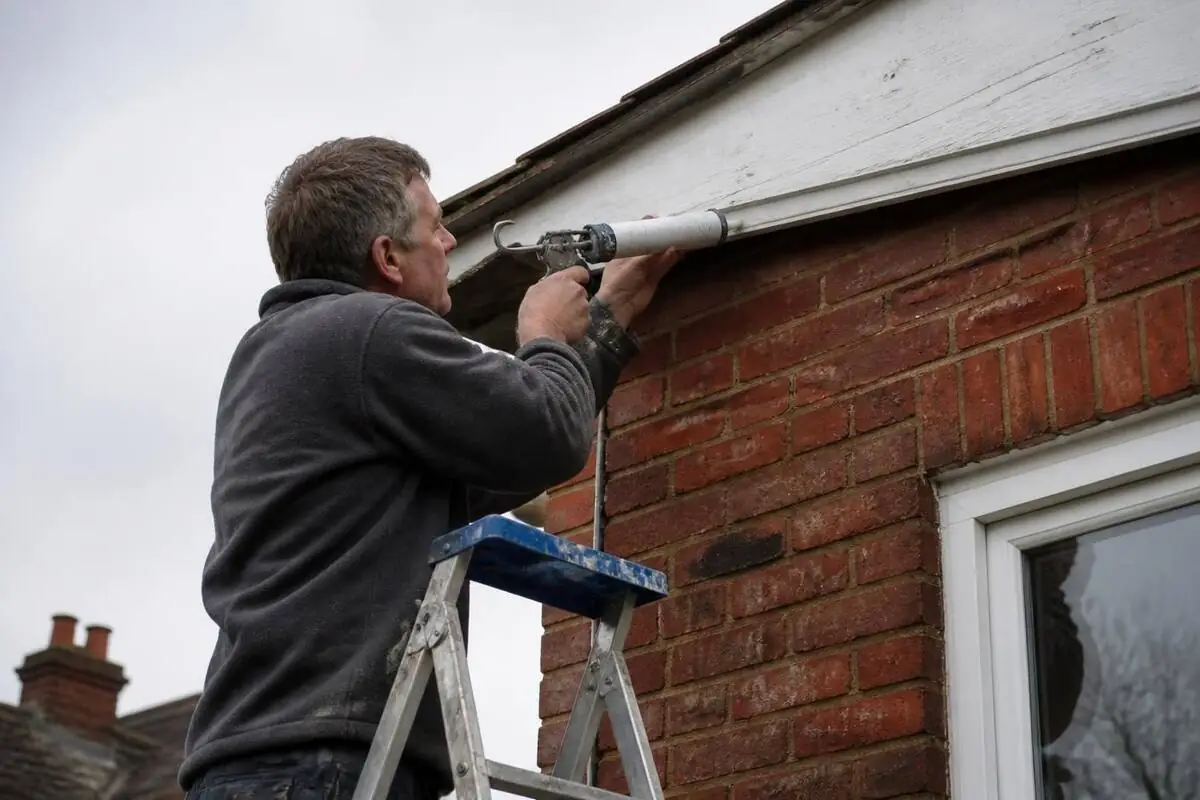
We want to be straightforward with you. Any company or product that tells you it can guarantee a wasp-proof property is misleading you. The difference between a property that gets a wasp nest every year and one that rarely does usually comes down to a handful of maintenance habits and some understanding of wasp behaviour.
Why some properties get wasp nests every year
Properties that repeatedly attract wasp nests tend to share certain characteristics:
- Older roofline construction with persistent gaps wider than 5mm
- South-facing lofts that warm up early in spring
- Proximity to woodland or farmland (high density of overwintering queens)
- Garden sheds and outbuildings with loose cladding
- Properties that have had nests in previous years
The seasonal prevention calendar
| Month | Action |
|---|---|
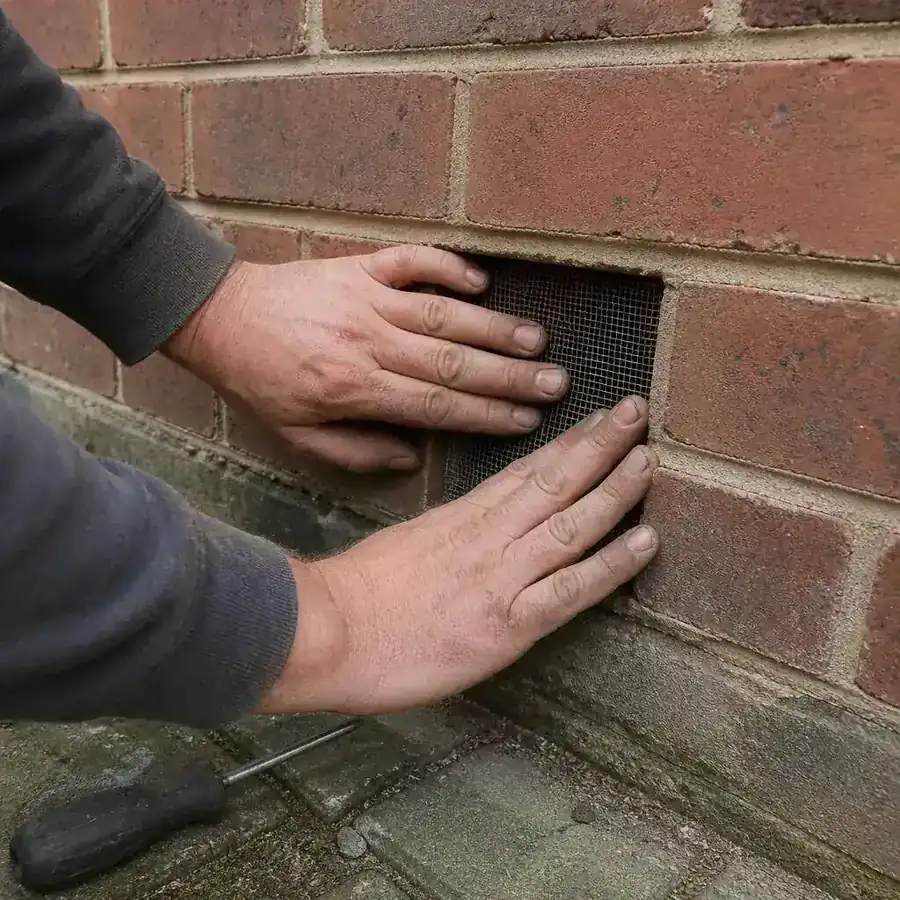
| February – March | Inspect roofline, seal gaps wider than 5mm, replace damaged air brick mesh. This is the single most effective month for prevention. |
| April | Watch for solitary queens prospecting nest sites. A queen at this stage can often be deterred by closing access to the cavity she is exploring. |
| May – June | Walk your property weekly. Early nests are golf-ball sized and easy/cheap to treat. Catch them now. |
| July – August | Peak nest activity. Prevention window has largely closed — focus on monitoring and prompt treatment. |
| September | After the colony dies off, plan post-season sealing for autumn. |
| October – January | Permanent repair of identified entry points while wasps are dormant. |
Practical steps to reduce wasp nest risk
Structural checks (March priority)
- Walk around your property at roofline level and look for gaps wider than 5mm in fascia boards, mortar between roof tiles, around pipes and cables, and at soffit junctions. Photograph any you find.
- Check air brick vents. Original open-mesh air bricks can be replaced or covered with finer insect mesh while maintaining ventilation.
- Check where cables, pipes, and aerials enter the building. Even a small gap around a TV aerial cable is a potential nest entrance.
- Inspect cavity wall vents and any original lime mortar pointing that may have loosened over winter.
- In the loft: check around the eaves for existing papery nest material from previous years and seal any daylight gaps from the inside.
In the garden (ongoing through summer)
- Keep bin lids closed and bins stored as far from the house as practical.
- Harvest windfall fruit promptly. Fallen apples, pears, and plums are a significant attractant in late summer.
- Keep garden sheds closed when not in use. Check shed roofs for gaps.
- Check garden furniture and structures (pergolas, arbours, fences) early in the season for the start of nest building.
- If using a wasp trap, position it 3-4 metres away from where you sit, not directly beside a seating area.
During the season
- Keep doors and windows screened during peak wasp season (July-August).
- Cover food and drinks promptly when eating outside.
- Avoid wearing strong floral perfumes in the garden during peak wasp season.
- If wasps are consistently gathering in a particular area, investigate — do not assume they will go away.
What does NOT work
There is a great deal of folklore around wasp prevention. Here is an honest assessment:
| Method | Verdict |
|---|---|
| Fake wasp nests (decoy bags) | Do not work. Wasps choose nesting sites based on the characteristics of the cavity, not proximity to other nests. |
| Peppermint oil or sprays | No reliable scientific evidence as a nest deterrent. May repel individual foraging wasps near food, but has no effect on a queen selecting a loft void. |
| Essential oil diffusers | Similar to peppermint oil — no evidence of effectiveness as a nest prevention measure. |
| Wasp traps as prevention | Traps catch foraging workers but do not eliminate the nest or prevent nest building. |
| Conker myths | No evidence that placing conkers near windows or doors deters wasps. |
The most effective prevention strategy
Based on our experience across thousands of Hertfordshire properties, the single most effective approach is:
- Inspect your roofline every spring (February-March) and seal any gaps wider than 5mm.
- Act immediately if you see nest-building activity. A queen wasp spotted building in April is a small nest treatment. The same nest in August is a major infestation.
- Post-season sealing. After a nest has been treated and the colony has died off, seal the entry point.